Philosophy

GPT-4, Stable Diffusion, and Beyond: How Generative AI Will Shape Human Society

In 2020, I wrote about GPT-3 model. Late last year, OpenAI released ChatGPT which was based on GPT-3 but trained using Reinforcement Learning from Human Feedback (RLHF). And now GPT-4 has been released. It has only been out for a few days, but it is already seeing incredible applications such as creating office documents, turning sketches into functional apps, creating personal tutors, and more.
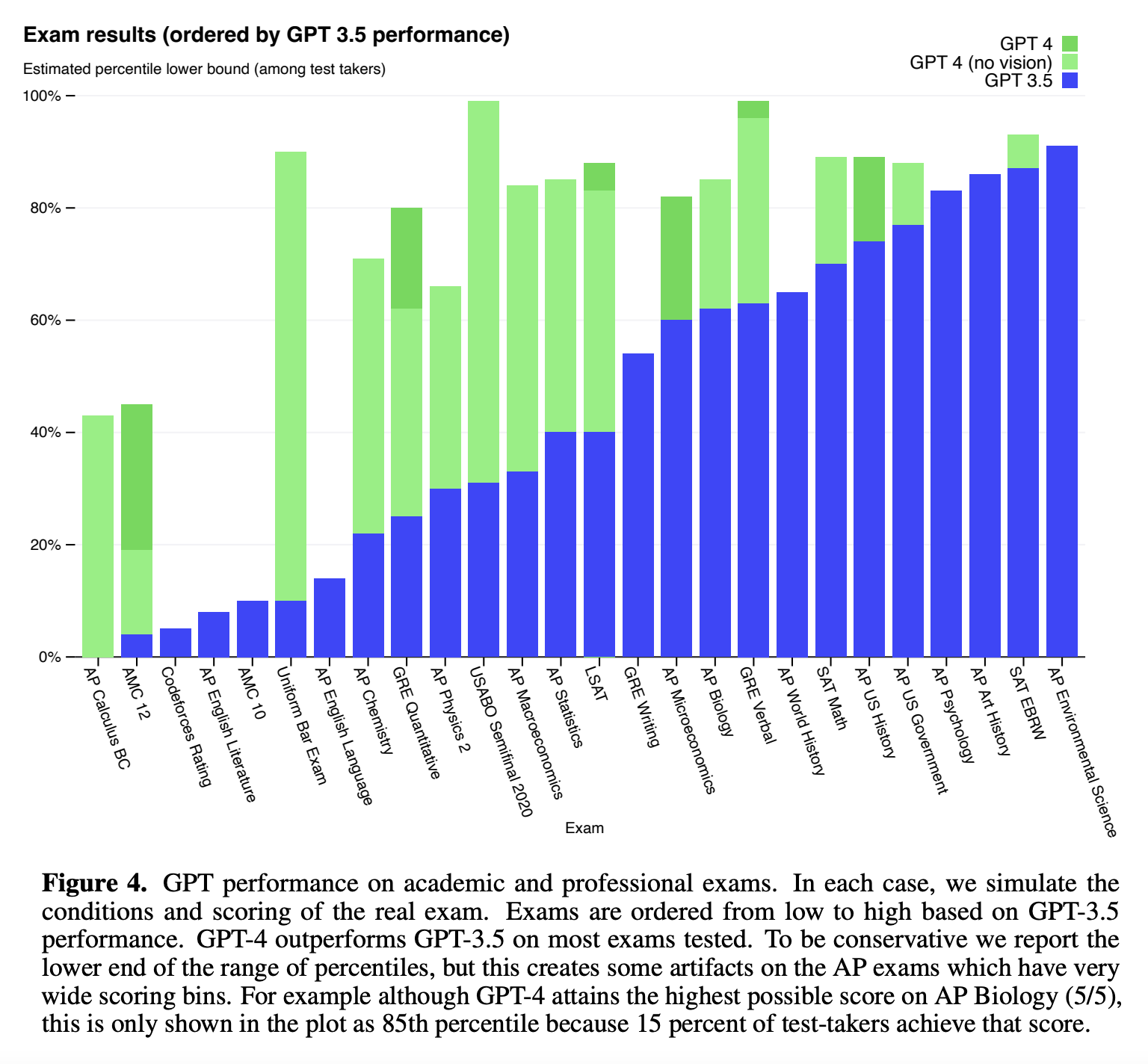
GPT-4 performance The newly released GPT-4 exhibits human-level performance on a variety of common and professional academic exams. Source: OpenAI GPT-4 Technical Report
GPT-3 and prospects of Artificial General Intelligence

Last year OpenAI released the Generative Pre-trained Transformer 2 (GPT-2) model. GPT-2 was a language model with 1.5 billion parameters, trained on 8 million web pages. It generated quite a buzz as it could generate coherent text, comprehend paragraphs, answer questions, and summarize text and do all sorts of smart stuff… all without any task-specific learning. OpenAI even deemed the model too dangerous to release but eventually ended up releasing them.

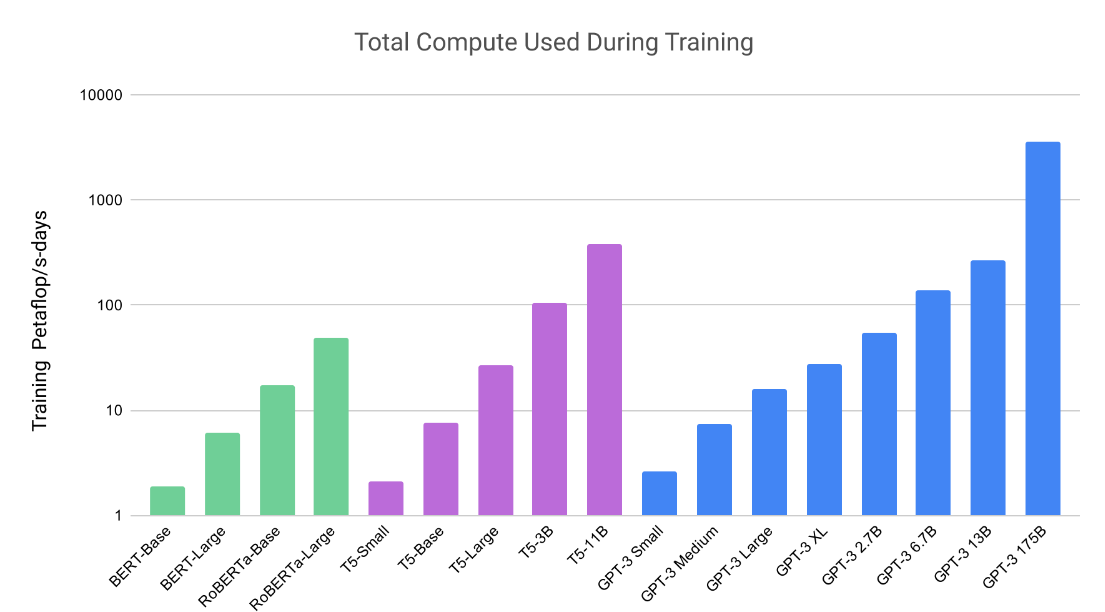
In May 2020, OpenAI released their follow-up GPT-3 model which took the game several notches higher. They trained it with 175 billion parameters, using close to half-a-trillion tokens. The model and its weights alone would take up 300GB VRAM. This is a drastic increase in scale and complexity, anyway you look at it. So what can a huge model like this achieve and why has it reinvigorated the talks ?

GPT-3 Training Size